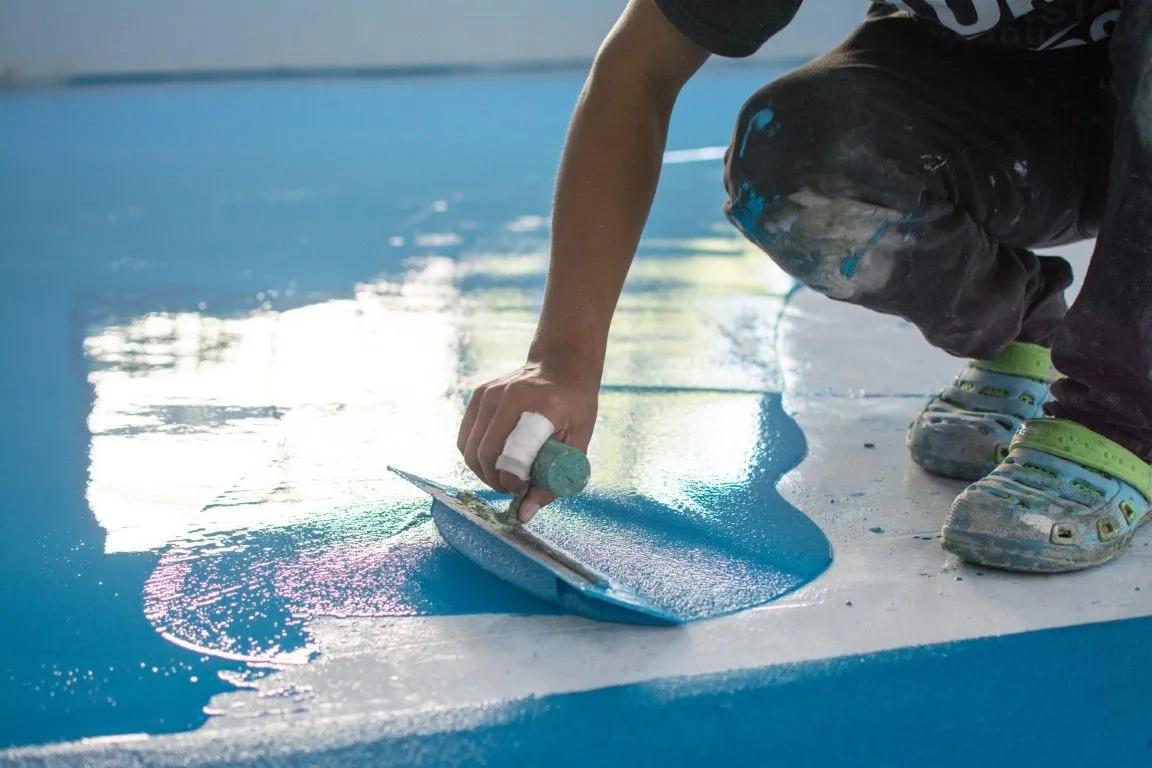
A durable, attractive coating built to handle vehicle traffic, oil, and daily wear — and the Texas heat.
Enter your info below and we'll follow up fast.
Garage floors take a beating from vehicle traffic, oil, and daily use. Our coatings are built to handle it, with a clean, finished look that stands up for years.
We start with thorough surface preparation, since this step has more influence on the final result than almost anything else: grinding, cleaning, and removing existing paint or coatings so the surface is properly profiled before any product goes down. From there, we apply a specialized epoxy that penetrates the concrete and bonds as it cures, followed by a clear, UV-stable topcoat for protection against scratches, spills, and fading.
A standard 400–500 sq. ft. garage, installed. Larger 3-car garages or premium metallic/flake finishes run higher.
Cracking, staining, or pitting can be sealed off and restored before it worsens.
A freshly coated floor is a small investment that makes a strong impression during a showing.
A coated floor is a natural finishing touch for storage, workspace, or converted living space projects.
A barrier against oil, chemicals, and spills that would otherwise soak into bare concrete.
Helps prevent cracking and surface breakdown, especially on slabs that have settled over rocky caliche fill.
Turns a purely functional space into one that looks clean, finished, and intentional.
Clear dirt and debris before they build up or get ground into the surface.
Harsh chemicals can affect the coating over time.
Furniture or equipment can scratch or gouge the surface.
Wait a few weeks after installation before parking with hot tires on the floor.
These two get used interchangeably, and they shouldn’t be. A garage floor sealer penetrates into the concrete and helps it resist moisture and staining, but the slab still looks and feels like bare concrete. A garage floor coating builds a new surface on top of the slab, which is where the gloss, the color, the chemical resistance, and the easy cleanup come from.
For most Boerne garages we recommend a coating. Sealing makes more sense on a slab that is still curing, on a detached workshop where appearance matters less, or where the budget is tight and the goal is simply slowing down moisture damage. We’ll walk your garage and tell you which one it needs, even when the answer is the cheaper one.
Garages around Boerne skew large. Three-car bays, RV and boat storage, detached workshops, and barndominium slabs are common out toward Cordillera Ranch, Esperanza, and Fair Oaks Ranch, and they bring a different set of problems than a standard two-car garage in town. More square footage means more surface to prep properly, taller doors mean more direct sun on the slab, and workshop floors see dropped tools, solvents, and welding sparks that a residential-grade coating will not survive.
We quote those spaces by the actual square footage and the actual use, not by a flat per-garage rate. A workshop that doubles as a welding bay gets a different system than a climate-controlled car barn, and pricing should reflect that.
Look for a contractor who grinds rather than acid-etches, quotes a firm number after seeing your slab, and can tell you the mil thickness of the system they install. Ask whether the quote includes crack repair and moisture testing, since those are the two line items most commonly left out of a low bid and added back later.
Yes, and they’re a large share of what we do around Boerne. Oversized and detached spaces often need a heavier-duty system than an attached two-car garage, particularly if the floor sees welding, solvents, or heavy equipment. We’ll spec accordingly rather than applying the same residential package to every job.
A smooth, high-gloss coating can be slick with water on it. If that’s a concern, we add an anti-slip aggregate to the topcoat, or use a flake system, which has natural texture built in. It’s worth mentioning at the consultation, especially for households with kids or older family members.
Most floors can handle foot traffic within a day, but we recommend waiting several days before parking and avoiding hot tires on the surface for the first few weeks.
Minor cracks are repaired and filled before coating, and the finish itself helps mask small imperfections. Significant structural cracks may need additional repair beyond a standard coating.
Yes. Our diamond-grinding process removes surface staining and contamination as part of standard prep, so old oil stains typically won't show through the finished floor.
Most two-car garages run $2,250-$4,500 installed, depending on size, slab condition, and finish. We give you an exact number after a free on-site assessment.
Reach out during your consultation to discuss payment options available for your project.
Yes, we can work around existing floor drains and will detail the area during installation to maintain proper drainage.
Prefer something decorative? See our Metallic Epoxy and Flake Epoxy finishes.
Get a Free Estimate